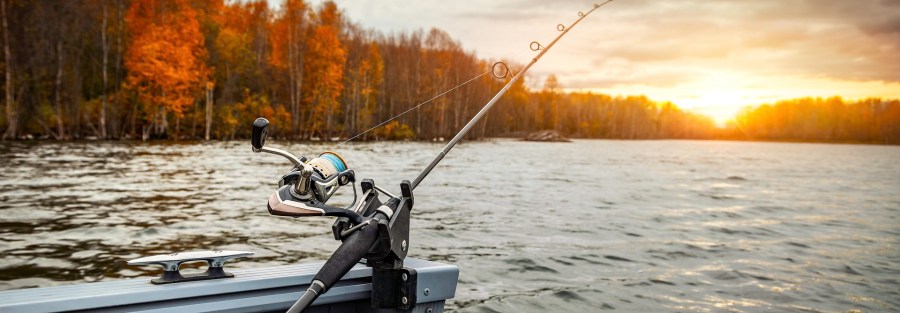

The Best Fishing Spots in Dublin, Ohio: A Complete Local’s Guide
Most people who move to Dublin, Ohio know about the golf, the trails, and the Irish Festival long before they realize just how much fishing water sits inside the city limits. Between a genuinely excellent stretch of the Scioto River, a sprawling reservoir with 18.4 miles of shoreline, and a network of 67 stocked neighborhood ponds, Dublin quietly offers some of the most accessible fishing in Central Ohio — most of it a short walk or bike ride from wherever you happen to live.
I’m Jacob Bates, a Realtor with Di Lusso Real Estate, and fishing access comes up more often than people expect when I’m walking buyers through Dublin’s neighborhoods — especially families with kids, or anyone relocating from a place where a quick evening fishing trip meant a real drive. Dublin’s answer to that is usually “there’s a stocked pond in your own neighborhood park,” and that surprises almost everyone the first time I mention it. Here’s the full breakdown of where to go and what to expect.
The Scioto River — Dublin’s Best Public Fishing Water
The Scioto River running through Dublin is widely considered one of the best public fishing stretches in Central Ohio, and the city itself has some of the best access points on the entire river. The stretch running from Scioto Park (home of the Chief Leatherlips Monument) down through the area between the O’Shaughnessy and Griggs reservoirs to State Route 161 is considered wadeable — meaning it can be fished on foot in sturdy shoes and swim trunks by anyone with reasonable mobility, no boat required.
Expect smallmouth bass, saugeye, catfish, and carp throughout this stretch, with light tackle, worms, or artificial lures like crankbaits and spinners all producing results. Fly anglers in particular favor the Scioto for smallmouth, and late spring through late fall is generally the strongest window, with a five-to-seven-weight fly rod, floating line, and a basic fly selection covering most of what you’ll need. When the river runs low — typically July through October — wading becomes easier; when it’s running high, bank fishing is the better call.
Anyone 16 or older needs a valid Ohio fishing license to fish the Scioto River and its direct tributaries. A parent simply assisting a child doesn’t need one, but a parent actively fishing alongside them does.
O’Shaughnessy Reservoir — 912 Acres and 18.4 Miles of Shoreline
O’Shaughnessy Reservoir, formed by damming the Scioto River and completed in 1925, is a genuinely major body of water sitting right at Dublin’s doorstep — 912 acres with 18.4 miles of shoreline and a maximum depth of more than 40 feet near the dam itself, though much of the reservoir runs 20 feet or shallower. It was built as a water source for the City of Columbus and remains one today, but it also functions as one of the better bass-and-catfish fisheries in the immediate area, with a public boat ramp and dock for easy access.
Glick Park, sitting right beside the O’Shaughnessy Dam, is one of the best access points — picnic areas, walking trails, and direct river access for fishing, with the added bonus of a genuinely striking view of the dam itself. Be aware that the trail down to the water includes stairs and some steep sections, so it’s not the easiest access point for strollers or limited mobility.
Dublin’s 67 Stocked Ponds — The City’s Best-Kept Fishing Secret
Here’s the detail that surprises almost everyone new to Dublin: the city maintains 67 ponds, and fishing is permitted and actively encouraged in all of them, no license required. Dublin periodically stocks these ponds and lets natural reproduction do the rest, and largemouth bass is the most commonly landed favorite, though anglers regularly report bluegill, catfish, and the occasional surprise. All city ponds are strictly catch-and-release.
A few specific ponds stand out based on what local anglers consistently report:
ML “Red” Trabue Nature Reserve (6566 Post Rd.) actually has three separate ponds worth fishing — the pond nearest the road, a shallower middle pond that tends to be full of bluegill, and a third pond near a gazebo and dock that’s reported as the deepest and most productive of the three, holding both bass and bluegill in clearer water. It’s also a genuinely pleasant place to spend an afternoon even between bites, with a restored log cabin, wetlands boardwalk, and strong birdwatching.
Ballantrae Community Park, at Woerner Temple and Avery Roads, has a scenic pond that anglers describe as tougher fishing than some of Dublin’s other spots, but productive for smallmouth bass and catfish with the right patience — frozen shrimp has produced catfish here, and white bass have been spotted cruising the pond as well.
Wedgewood Hills Park and its network of smaller, non-stocked ponds are known among locals for smallmouth bass in the one-pound range, though the ponds tend to be choked with weed growth, which makes for challenging but rewarding fishing with small topwater lures.
Wellington Park (Coventry Woods Dr.) and Bristol Park & Gardens (Bristol Pkwy.) both include dedicated fishing ponds alongside their walking paths and playgrounds, making them solid, low-key options if you want fishing built into a broader family park outing rather than a dedicated fishing trip.
Karrer Pond, near Karrer Middle School, is another stocked option with a boardwalk and deck that makes it comfortable for fishing, picnicking, or just observation.
What to Know Before You Fish in Dublin
A few practical details worth knowing before you head out:
- Licensing: No license is required to fish any of Dublin’s 67 city ponds. A valid Ohio fishing license is required for the Scioto River and its direct tributaries for anyone 16 or older.
- Catch-and-release: All Dublin city ponds are catch-and-release only.
- Where you can’t fish: Only ponds without posted “no fishing” signage are open to anglers — always check for posted signs before casting.
- Species you’ll find: Largemouth bass is the most common target in Dublin’s ponds, while the Scioto River and O’Shaughnessy Reservoir add smallmouth bass, saugeye, catfish, and carp to the mix.
- Best gear for beginners: Light tackle with worms or small artificial lures like spinners and crankbaits covers most of what you’ll need for both pond and river fishing in Dublin. For pond fishing specifically, small lures tend to outperform larger ones — the fish here seem to spook more easily at anything oversized.
- Etiquette: The City of Dublin asks anglers to remove excess hooks from artificial bait, pack out fishing line and trash, and keep noise to a minimum — both for the wildlife and for your own odds of a good catch.
Frequently Asked Questions
Do you need a license to fish in Dublin, Ohio? Not for the city’s ponds — fishing is permitted in all 67 of Dublin’s stocked ponds without a license. A valid Ohio fishing license is required for anyone 16 or older fishing the Scioto River or its direct tributaries.
How many fishing ponds does Dublin, Ohio have? Dublin maintains 67 ponds where fishing is permitted and encouraged, most located inside neighborhood parks throughout the city.
What fish can you catch in Dublin, Ohio? Largemouth bass is the most common catch in Dublin’s city ponds. The Scioto River and O’Shaughnessy Reservoir add smallmouth bass, saugeye, catfish, and carp.
Is the Scioto River good for fishing in Dublin? Yes. The stretch from Scioto Park through the area between the O’Shaughnessy and Griggs reservoirs is considered one of the best wadeable public fishing stretches in Central Ohio.
Can you keep fish you catch in Dublin’s city ponds? No. All City of Dublin ponds are catch-and-release only.
What is the best pond for fishing in Dublin, Ohio? ML “Red” Trabue Nature Reserve is one of the most consistently recommended, with three separate ponds and reports of productive bass fishing, particularly in the deepest of the three near the gazebo and dock.
A City Built for More Than Just the Obvious Amenities
Fishing access is a small detail in the grand scheme of a home search, but it’s exactly the kind of thing that ends up mattering once you actually live somewhere — the ability to grab a rod after work and be fishing a stocked pond ten minutes later, without planning a whole outing around it. That’s the kind of everyday livability I try to help clients understand about Dublin beyond the schools and the market numbers, because it’s genuinely part of what makes the city work as well as it does for families. If you’re exploring a move to Dublin and want the fuller picture of what daily life looks like here, I’m always glad to walk through it. I’m Jacob Bates, Realtor with Di Lusso Real Estate.

This article is part of an ongoing series covering every neighborhood in Greater Columbus. Explore more local guides to find the right fit for your next move.